A new look at adult neural stem cell quiescence
We propose a new “cloud” model for NSC states that departs from the classical view of a linear transition from deep quiescence to activation. In this new framework, dynamic heterogeneity is the defining feature that enables NSCs to effectively fulfill their functional roles (Urbán 2022). Since adult NSCs must integrate a diverse array of niche and systemic stimuli, a high degree of heterogeneity could allow the NSCs population to maintain a broad range of responsiveness to these various inputs. Making this heterogeneity dynamic would allow NSCs to continuously cover a broad range of responsiveness without risking the loss of a specific sub-population through activation-coupled depletion.
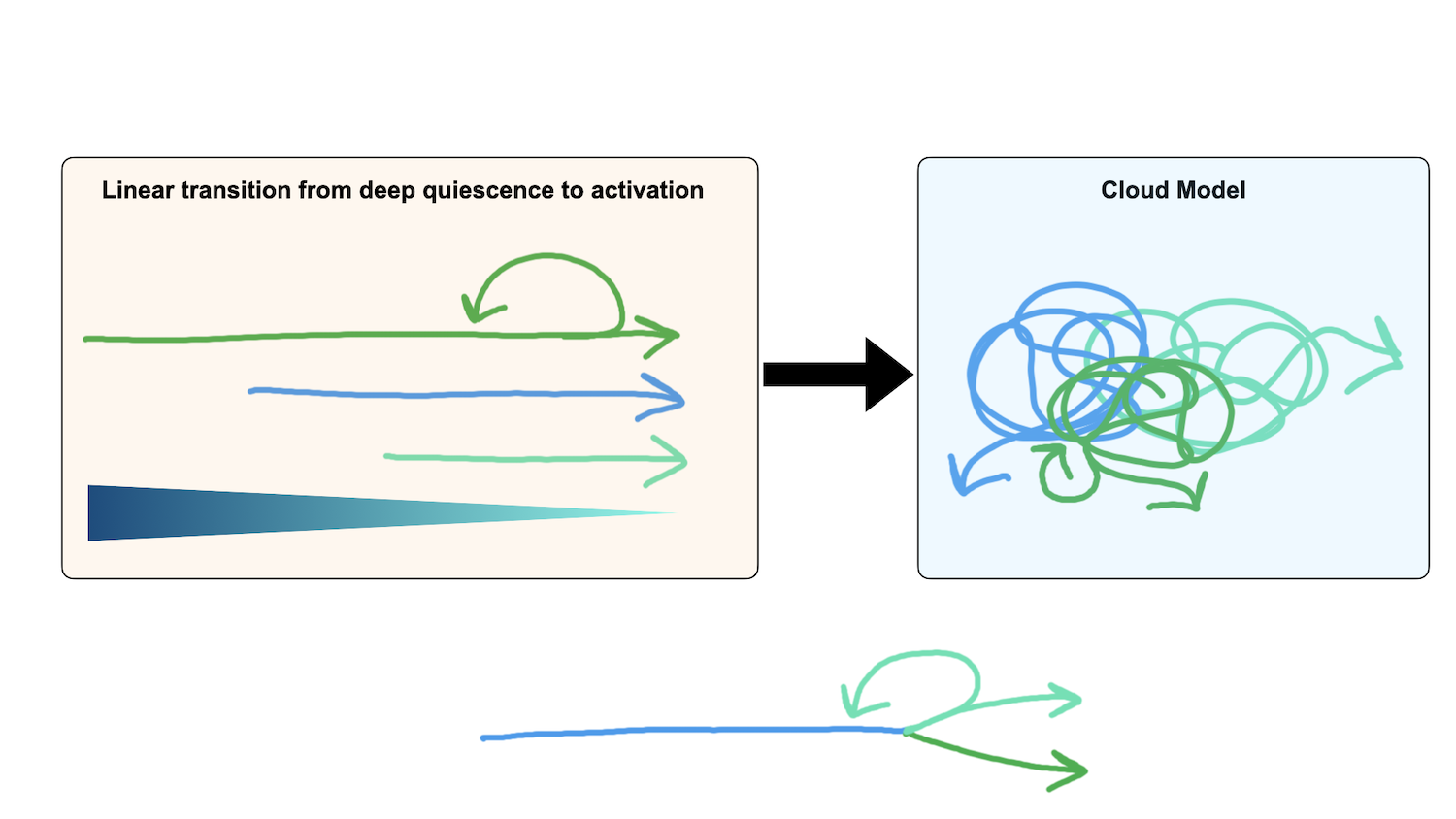
Currently, we are collecting single cell transcriptomics and proteomics data to support and validate this view.
Along the way, we encountered a major challenge: the close molecular similarity between astrocytes and quiescent NSCs. Excitingly, our preliminary data shows that the new analytical tool BONSAI, developed by Daan de Groot (with whom we collaborate), improves cell type annotation, recovering hidden quiescent signatures and helping to identify new specific markers for NSCs and astrocytes.
Our ultimate goal is to apply the “cloud-of-states” concept to predict and manipulate NSC transitions, to facilitate the conversion of astrocytes to NSCs and to extend insights about quiescence in other systems (such as the hematopoietic system, reprogramming or cancer stem cells).
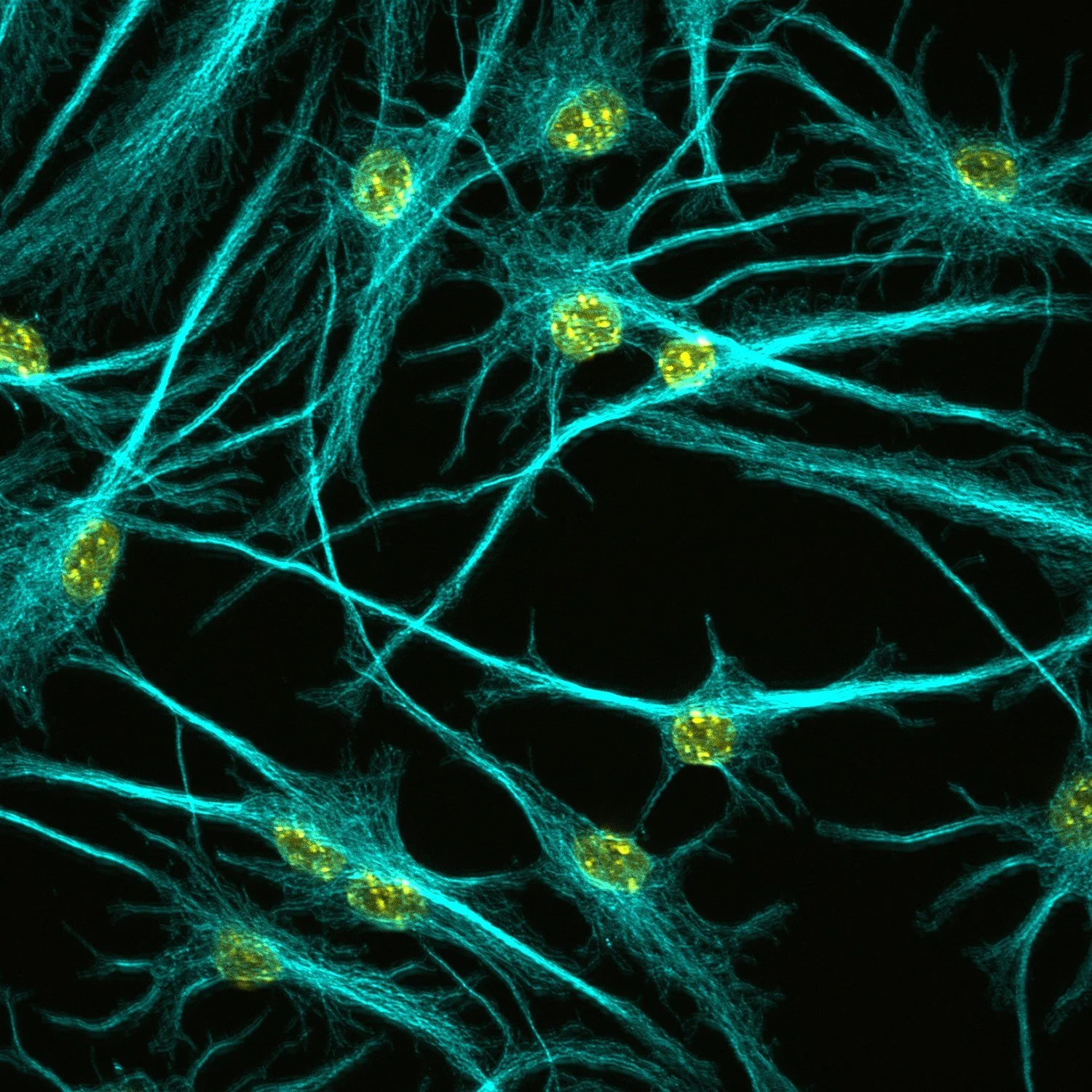
quiescent-alpha-tubulin-dapi (©G. Pushpa Bose)
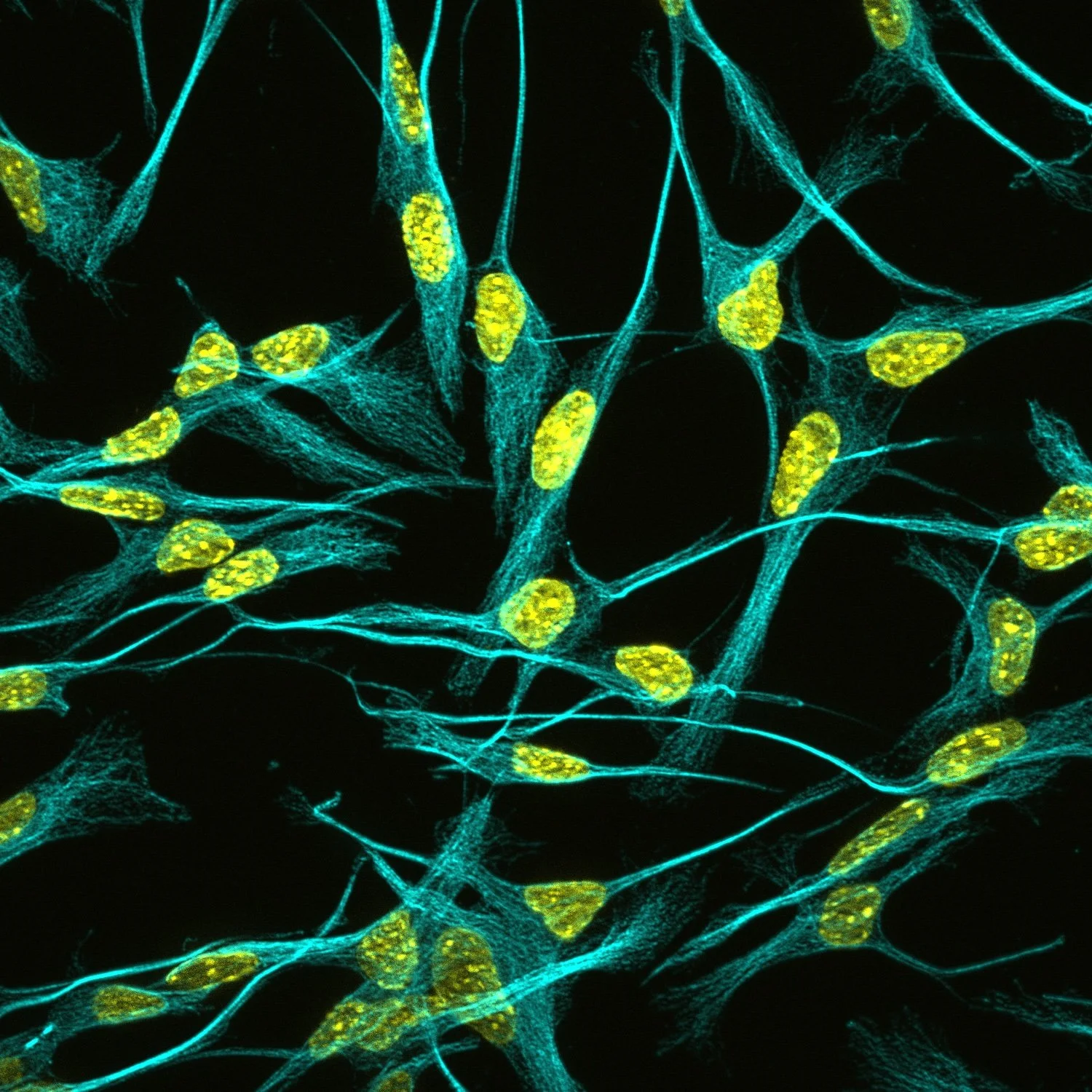
active-alpha-tubulin-dapi (©G. Pushpa Bose)